
"government policy"
500 article(s) found

Papua New Guinea Coffee roasting degree how to roast coffee
The frost in 1975 destroyed most coffee crops in Brazil, but stimulated the development of coffee in Papua New Guinea. The Government has implemented a scheme to finance the creation of about 20 hectares of coffee plantations in rural or collective land ownership. This measure has indeed increased the penetration of coffee in the local economy, with annual production reaching 1 million bags by 1990. However, almost

Coffee producing area-Papua New Guinea
The legendary background of modern coffee

The new city holds a symposium on "Creative talents and Innovation" in Coffee Salon.
In order to meet the requirements of economic restructuring and transformation and further promote the innovation-driven development strategy, on the evening of May 11, the Xincheng District held a forum on mass entrepreneurship and innovation for creative talents at the Suzyme Cafe in the Creative Design Industry Park of the old steel plant. District head Luo Jiang, deputy district mayor Hao Dongwen and responsible comrades of relevant departments attended and invited Xi'an Huaqing Creative Industry Development Co., Ltd., Xi'an Senke Architectural Engineering Design consultation.

Introduction to the Cultural Origin of the Development of Coffee beans in Papua New Guinea
The coffee industry plays an important role in the country's economy. More than 1 million people are directly and indirectly engaged in the industry. The government encourages planting by offering a minimum purchase price. The industry itself is controlled by the Coffee Industry Council (Coffee Industry Board). The commission is located in Goroka, in the eastern part of the island, while exports are handled by private companies. The frost of 1975
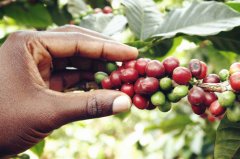
The legendary background of modern coffee in Papua New Guinea
The legendary background of modern coffee. In PapuaNewGuinea, about 75 per cent of coffee products come from small local farmers

Papua New Guinea Coffee Manor Chimere Manor
The frost in 1975 destroyed most coffee crops in Brazil, but stimulated the development of coffee in Papua New Guinea. The Government has implemented a scheme to finance the creation of about 20 hectares of coffee plantations in rural or collective land ownership. This measure has indeed increased the penetration of coffee in the local economy, with annual production reaching 1 million bags by 1990. However, almost

Boutique Coffee Papua New Guinea Coffee Manor
The legendary background of modern coffee. In Papua New Guinea, about 75 per cent of coffee products come from small local farmers

Costa Rican coffee growing area Central Valley/Central Valley Coffee growing area
Professional coffee knowledge exchange More coffee bean information Please pay attention to Coffee Workshop (Weixin Official Accounts cafe_style) The earliest coffee growing country in Central America; government support promoted development In 1729, coffee began to appear in Costa Rica, when it was introduced from Cuba. This made Costa Rica the first country in Central America to grow coffee and the first to grow coffee for commercial value.

The Development of Coffee in Papua New Guinea the origin of coffee in Papua New Guinea
The coffee industry plays an important role in the country's economy. More than 1 million people are directly and indirectly engaged in the industry. The government encourages planting by offering a minimum purchase price. The industry itself is controlled by the Coffee Industry Council (CoffeeIndustryBoard). The commission is located in Goroka, in the eastern part of the island, while exports are handled by private companies. The destruction of frost in 1975

Boutique coffee Papua New Guinea Coffee treatment method
The legendary background of modern coffee. In PapuaNewGuinea, about 75 per cent of coffee products come from small local farmers

Construct Pingtung Cafe meeting to realize Citizen discussion Policy
The Pingtung Industrial Policy Committee invited the public to discuss policies in the form of a coffee meeting. (photo by Lin Hesheng) the Pingtung County Industrial and Commercial Development Investment Promotion Association held a series of meetings at the Citizen Cafe at Pingtung College yesterday, inviting nearly 50 citizen representatives to participate in a deliberative civic discussion. fully discuss the traffic issues in Pingtung. The meeting began with Zhang, director of urban and rural areas of Ping County.

Jamaican Coffee Flavor description Grinding degree Variety characteristics of Fine Coffee
Blue Mountain Coffee can maintain today's top status, but also closely related to the local business policy. In 1932, Jamaica adopted a policy to encourage coffee production to reduce the island's dependence on sugar exports. Unlike most coffee producing countries, the local government does not plant a large number of high-yield and poor-quality coffee in order to increase the output value, but takes the quality as the best, preferring to sacrifice the coffee production.

Introduction to Paradise Bird Manor in Papua New Guinea
The frost in 1975 destroyed most coffee crops in Brazil, but stimulated the development of coffee in Papua New Guinea. The Government has implemented a scheme to finance the creation of about 20 hectares of coffee plantations in rural or collective land ownership. This measure has indeed increased the penetration of coffee in the local economy, with annual production reaching 1 million bags by 1990. However, almost
Boutique coffee beans produced in Papua New Guinea
In Papua New Guinea, about 75 per cent of coffee products come from small local farmers
Coffee beans Oceania Papua New Guinea
The legendary background of modern coffee. In Papua New Guinea, about 75 per cent of coffee products come from small local farmers

Boutique Coffee Papua New Guinea Coffee Manor Kimmel Manor
The legendary background of modern coffee. In Papua New Guinea, about 75 per cent of coffee products come from small local farmers

Boutique Coffee Papua New Guinea Coffee Manor Kimmel Manor
The legendary background of modern coffee. In PapuaNewGuinea, about 75 per cent of coffee products come from small local farmers
Papua New Guinea, Papua New Guinea
The legendary background of modern coffee. In Papua New Guinea, about 75 percent of coffee production comes from small-scale, local farmers

Boutique Coffee Papua New Guinea Coffee Manor
The legendary background of modern coffee. In PapuaNewGuinea, about 75 per cent of coffee products come from small local farmers

Introduction to Valenford Manor in Jamaica Blue Mountain Coffee Flavor
Blue Mountain Coffee can maintain today's top status, but also closely related to the local business policy. In 1932, Jamaica adopted a policy to encourage coffee production to reduce the island's dependence on sugar exports. Unlike most coffee producing countries, the local government does not plant a large number of high-yield and poor-quality coffee in order to increase the output value, but takes the quality as the best, preferring to sacrifice the coffee production.